If you are thinking about buying new construction in Rancho Mission Viejo, you are probably excited and a little unsure at the same time. A brand-new home can offer modern layouts, fresh finishes, and access to a highly planned community, but the process often works differently than a typical resale purchase. This guide will help you understand what to expect in Rancho Mission Viejo, from neighborhood releases and builder steps to design choices, taxes, fees, and closing details. Let’s dive in.
Rancho Mission Viejo at a glance
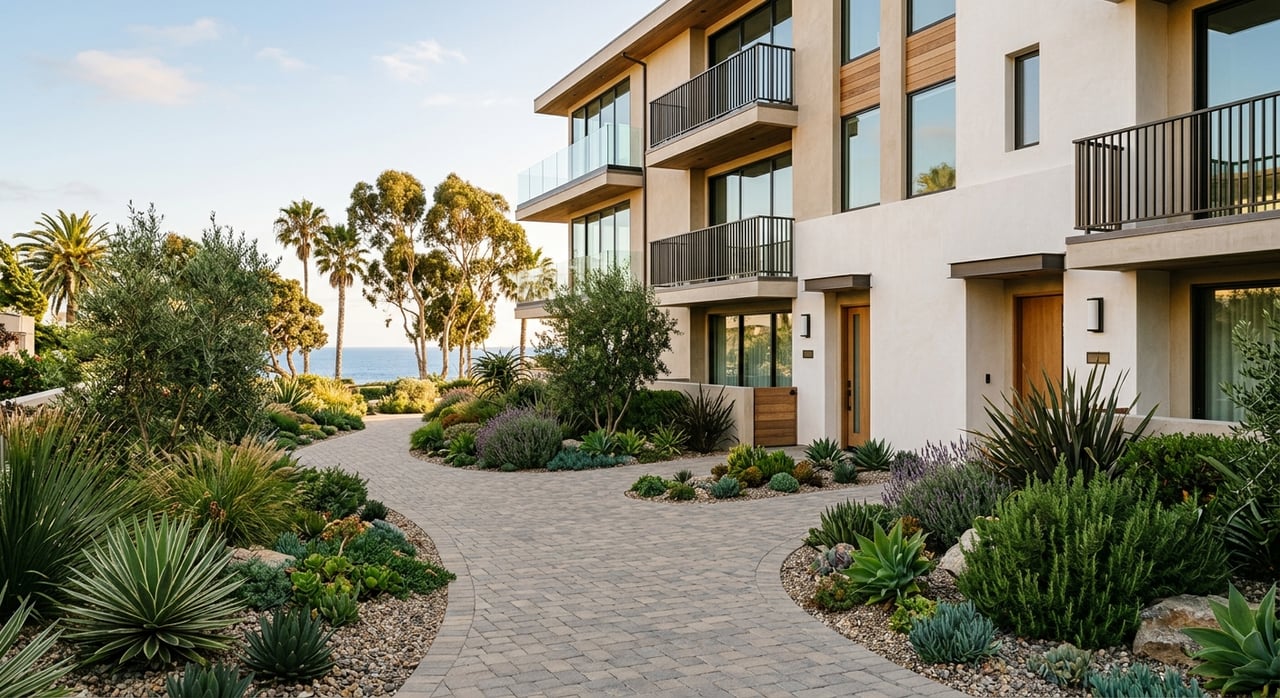
Rancho Mission Viejo is a master-planned community in South Orange County built around a large preserved open-space reserve. According to the community, about 75% of the 23,000-acre Ranch is preserved as open space, which shapes the area’s overall feel and long-term planning.
The community includes a wide mix of amenities, such as clubhouses, fitness centers, pools, parks, farms, trails, retail, and restaurants. For many buyers, that lifestyle element is a major part of the appeal, especially if you want newer homes paired with established community features.
As of July 19, 2026, all-age neighborhoods now selling in Rienda include Sapphire, Lotus, and Arrowleaf. Sunflower, Indigo, and Primrose are marked for Fall 2026, while the 55+ side includes Lavender, Nova, Strata, Luna, and Elara.
That range gives buyers options across different life stages and home sizes. For example, Lavender at Gavilán Ridge is priced from the mid-$800,000s and offers 2 to 3 bedrooms in roughly 1,296 to 2,202 square feet, though builders note that floorplans, specifications, and pricing can change without notice.
How new-home buying works here
Buying new construction in Rancho Mission Viejo often follows a release-based process rather than the more familiar resale model. That means you are not always choosing from a simple list of available homes. Instead, you may need to register, pre-qualify, and wait for specific homesites to be released.
Rancho Mission Viejo encourages buyers to sign up for community news and select the neighborhoods they want to follow. That allows neighborhood builders to send sales updates and release information directly to interested buyers.
Some buyers purchase directly from the builder without an agent, but many still choose representation for guidance through pricing, contracts, builder timelines, and decision points. In a release-based environment, experienced support can help you stay organized and realistic about your options.
Expect a priority-list system
Builder procedures in Rancho Mission Viejo can include a priority-list structure. In Trumark’s published process for Lotus at Rienda, buyers register, pre-qualify through the affiliated lender, and then are placed on a priority list for sales releases.
When a release opens, invitations are typically sent by email. Buyers may be able to pass on a release and wait for a later homesite without losing their place, but priority-list status does not guarantee that you will get a home.
This is one reason it helps to go in with more than one acceptable option. If your first-choice lot or plan is gone by the time your turn comes up, a backup plan can keep the process moving.
Homesites matter more than many buyers expect
In Rancho Mission Viejo, current inventory is often tied to specific homesites rather than broad neighborhood availability. Builder listings may show individual lot numbers, move-in-ready opportunities, or coming-soon plans instead of one general price point for the whole neighborhood.
That means your favorite floorplan may not be available on your preferred homesite, or your preferred lot may not be available with your ideal timing. Trumark’s Lotus procedures also state that buyers should identify a preferred floorplan and location before the release because lot transfers are not allowed.
A practical approach is to rank your priorities ahead of time. Decide what matters most to you, whether that is the exact plan, lot orientation, move-in timing, or proximity to certain community amenities.
Financing and deposits to plan for
Builder sales often include an early pre-qualification step, and some may ask you to work through a preferred or affiliated lender at the beginning of the process. Even so, buyers are not required to use the builder’s lender for their mortgage and should compare financing options carefully.
This is an important part of budgeting because your monthly payment is only one piece of the picture. Your lender choice, rate structure, closing costs, and builder incentives can all affect the real cost of the home.
Builders may also request an upfront deposit on a home that is not yet completed. Before you commit, ask clear questions about how much is due, whether the deposit is refundable, and what happens if financing falls through.
Build a budget beyond the base price
The advertised base price is rarely the full purchase price in a new-construction transaction. In Rancho Mission Viejo, your final number may increase based on lot premiums, design selections, and the construction stage of the home.
That is why a realistic budget should include more than principal, interest, property taxes, and insurance. If you only focus on the starting price, the full cost can come as a surprise later in the process.
Design-center choices and included features
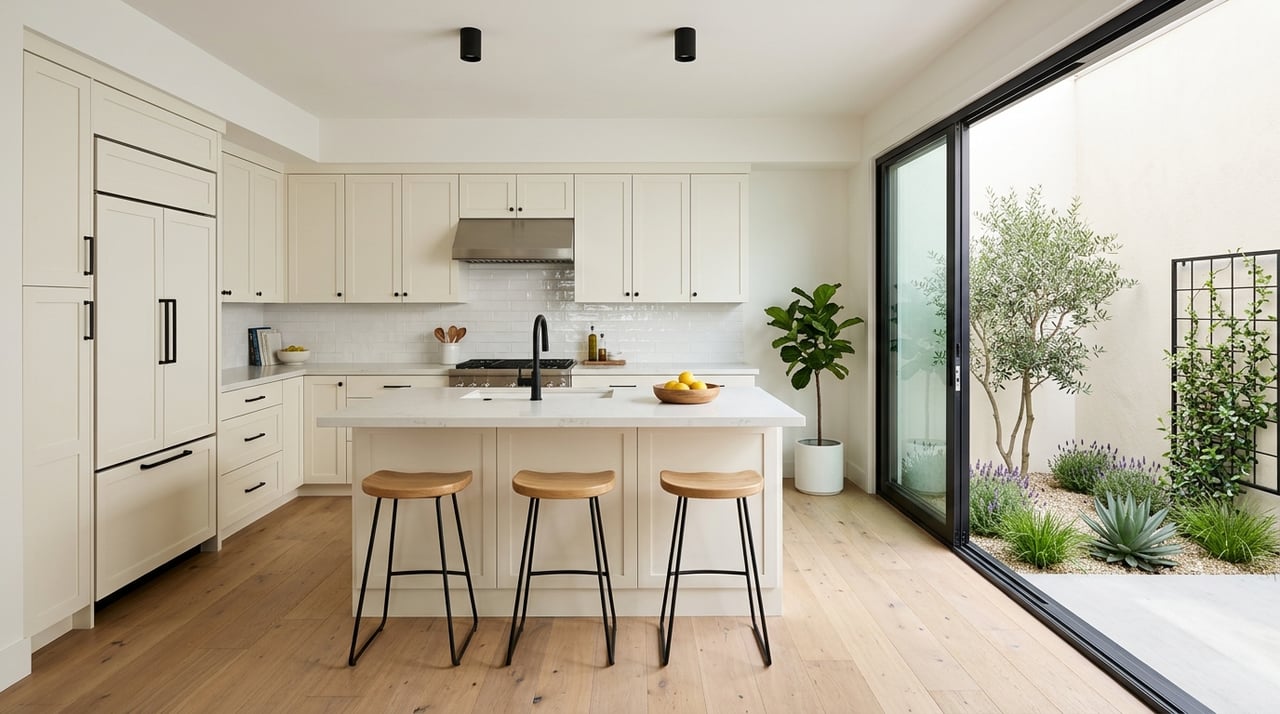
One of the most exciting parts of buying new construction is personalizing your home. After the purchase agreement is signed, builders may guide you through a structured design-studio process that includes online preparation, one or more appointments with a design consultant, and a final confirmation of selections.
This process is designed to help you make choices in a more organized way. Still, it helps to prepare in advance so you can balance style, function, and budget.
Common upgrades to expect
Design-center decisions often include:
- Appliances
- Cabinets
- Countertops
- Tile
- Flooring
- Lighting
Options and availability can vary by community, floorplan, and construction stage. In some cases, certain features you may assume are included, such as hardscape, landscape, or decorator details, may only be included if they are expressly stated.
This is where careful review matters. Ask for a clear list of standard features versus upgrades so you can understand what comes with the home and what costs extra.
Rancho Mission Viejo fees and taxes
Monthly and annual ownership costs in Rancho Mission Viejo can be higher and more layered than some buyers expect. The community states that homes are located in a Community Facilities District, which means they are subject to special taxes.
Rancho Mission Viejo also notes that a RanchLife fee is collected on initial sales and resales. In addition, homeowners pay a monthly master HOA fee through Rancho MMC, and some neighborhoods may also have sub-association or special-benefit-area charges.
HOA fees in the community typically run about $250 to $1,000 per month, according to Rancho Mission Viejo. Current builder pages show why those disclosures deserve close attention, with one Arrowleaf estimate showing a CFD special tax range of $17,337 to $20,207 per year, while Trumark’s Lotus materials list an approximate ad valorem tax rate of 1.011% plus annual special assessments that buyers should verify.
Questions to ask about ownership costs
Before you move forward, ask for written estimates and disclosures covering:
- Monthly master HOA dues
- Any neighborhood sub-association fees
- Special-benefit-area charges, if applicable
- CFD or other special taxes
- Property tax estimates
- RanchLife-related fees
These numbers can affect both affordability and long-term planning. Getting clarity early makes it easier to compare neighborhoods and floorplans on a true apples-to-apples basis.
Schools, access, and daily convenience
For many buyers, the decision is about more than the home itself. Rancho Mission Viejo says public-school students attend Capistrano Unified School District, Esencia K-8 is open, and a K-8 school is planned in Rienda for Fall 2027.
Transportation and location also shape day-to-day life. The community says Rancho Mission Viejo is near San Juan Capistrano, Ladera Ranch, Mission Viejo, Irvine work centers, and Orange County beaches.
The community FAQ also notes that Los Patrones Parkway created a new north-south link, while Cow Camp Road is planned to extend in the future. For buyers thinking about commute patterns, weekend routines, or proximity to nearby services, those access points are worth factoring into your search.
What to review before signing
California has a few important consumer protections that new-construction buyers should know about. The California Department of Real Estate states that a subdivision public report must be provided before a sales contract is signed.
That report is an important part of your due diligence. It can help you understand key details about the subdivision, restrictions, fees, and other disclosures tied to the purchase.
Before signing, review all documents carefully and make sure you understand the home’s included features, estimated completion timeline, financing terms, and ownership costs. Even with a new home, it is smart to verify disclosures and the property’s condition rather than assume every issue will be covered later.
Do not skip the inspection mindset
A newly built home is still a home under construction, and details matter. California consumer guidance recommends reviewing closing documents carefully and getting a home inspection.
That does not mean you should expect major issues. It means you should approach the purchase with the same care you would use in any large investment.
Warranty basics in California
In California, builders are required under Civil Code Section 900 to provide a minimum one-year express written limited warranty for fit-and-finish items. These can include cabinets, mirrors, flooring, walls, countertops, paint finishes, and trim.
If you discover a defect after closing, the California Department of Consumer Affairs says you should contact the builder first. Under SB 800, builders generally have the opportunity to repair claimed defects before litigation.
This makes documentation especially helpful. Keep your warranty information, track any issues you notice, and report concerns in writing according to the builder’s process.
How to feel prepared going in
Buying new construction in Rancho Mission Viejo can be a great fit if you want a modern home, planned amenities, and options across all-age and 55+ neighborhoods. The key is knowing that the process may move differently than a resale purchase, with release schedules, homesite decisions, design upgrades, and layered fees all playing a role.
When you understand those moving parts in advance, you can make better decisions and avoid last-minute surprises. A calm, informed approach helps you focus on the home, lifestyle, and budget that truly fit your goals.
If you are considering a new-construction purchase in Rancho Mission Viejo and want experienced, local guidance through builder timelines, costs, and comparisons, schedule a free consultation with Karen Meece.
FAQs
What is the new-construction buying process in Rancho Mission Viejo?
- Many builders use a release-based process that may include registration, pre-qualification, a priority list, and invitations to purchase specific homesites when releases open.
What extra costs should you expect when buying in Rancho Mission Viejo?
- In addition to your mortgage-related costs, you may have HOA dues, CFD special taxes, RanchLife fees, property taxes, and possibly sub-association or special-benefit-area charges.
What neighborhoods are currently selling in Rancho Mission Viejo?
- As of July 19, 2026, all-age neighborhoods selling in Rienda include Sapphire, Lotus, and Arrowleaf, while 55+ neighborhoods include Lavender, Nova, Strata, Luna, and Elara.
What design-center upgrades are common in Rancho Mission Viejo new homes?
- Common selections include appliances, cabinets, countertops, tile, flooring, and lighting, with options varying by builder, floorplan, and construction stage.
What should you review before signing a new-home contract in California?
- You should review the subdivision public report, builder disclosures, included features, estimated ownership costs, financing details, and the home’s condition before signing and closing.
What does a California new-home builder warranty usually cover first?
- California requires a minimum one-year express written limited warranty for fit-and-finish items such as cabinets, flooring, countertops, paint finishes, walls, mirrors, and trim.