Wondering whether San Clemente is better from the sand or from the slopes? It is a smart question, especially in a city where coastal blocks and hillside communities can offer very different daily routines, home styles, and price points. If you are comparing where to buy, this guide will help you understand the real trade-offs between coastal and hillside living in San Clemente so you can focus your search with more clarity. Let’s dive in.
Why San Clemente Feels So Distinct
San Clemente may be compact, but it is shaped by coastline, coastal canyons, and rugged hills. The city organizes much of its housing through specific plan areas such as Pier Bowl, Marblehead Coastal, Marblehead Inland, Forster Ranch, Rancho San Clemente, Talega, and the West Pico Corridor.
That planning structure matters because each area tends to deliver a different lifestyle. In a market where the city’s median sale price is around $1.7 million and the median listing price is about $2.2 million, the differences between submarkets can have a major impact on how you live and what you pay.
San Clemente also benefits from roughly 300 days of sunshine and an average annual temperature of 73 degrees. Even with that mild weather, the coast and the hills can still feel meaningfully different from morning to evening.
Coastal Living in San Clemente
Coastal Areas Offer Proximity First
If your priority is being close to the beach, pier, downtown, and visitor amenities, the coastal side of San Clemente is usually where your search begins. Pier Bowl and Marblehead Coastal are two of the best-known coastal areas, with Pier Bowl sitting next to the municipal pier and entirely within the coastal zone.
These neighborhoods tend to appeal to buyers who want the experience of coastal living built into everyday life. You may be closer to the Beach Trail, the pier, Avenida Del Mar, and the city’s seasonal trolley stops, which connect places like North Beach, the Pier, the Outlets, and the Metrolink station.
Walkability and Transit Stand Out
One of the biggest coastal advantages is how easy it can feel to get around without relying on your car for every outing. The Beach Trail stretches 2.3 miles from North Beach to Calafia Beach, and the trolley runs free in season with stops every 15 to 25 minutes.
The San Clemente Metrolink station at North Beach adds another layer of convenience. If you value walkable access to beach recreation, local shops, dining areas, and transit, the coastal core usually offers more of that than inland neighborhoods.
Coastal Character Feels More Historic
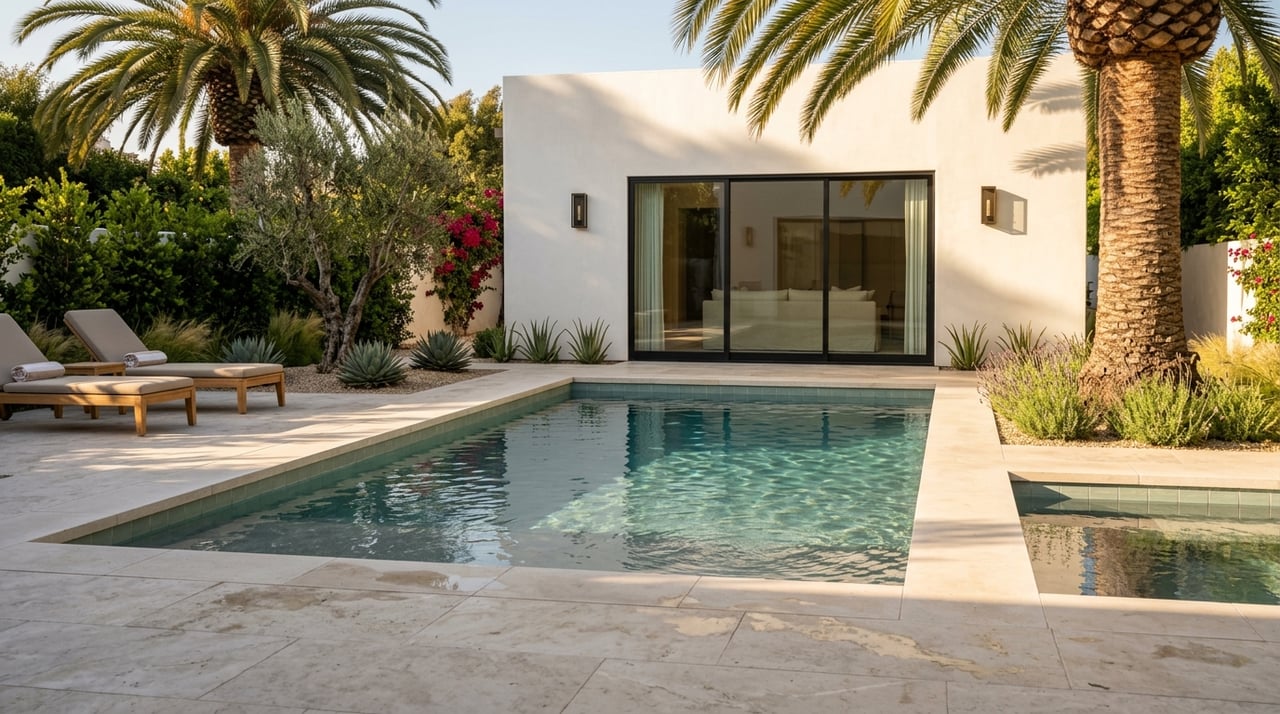
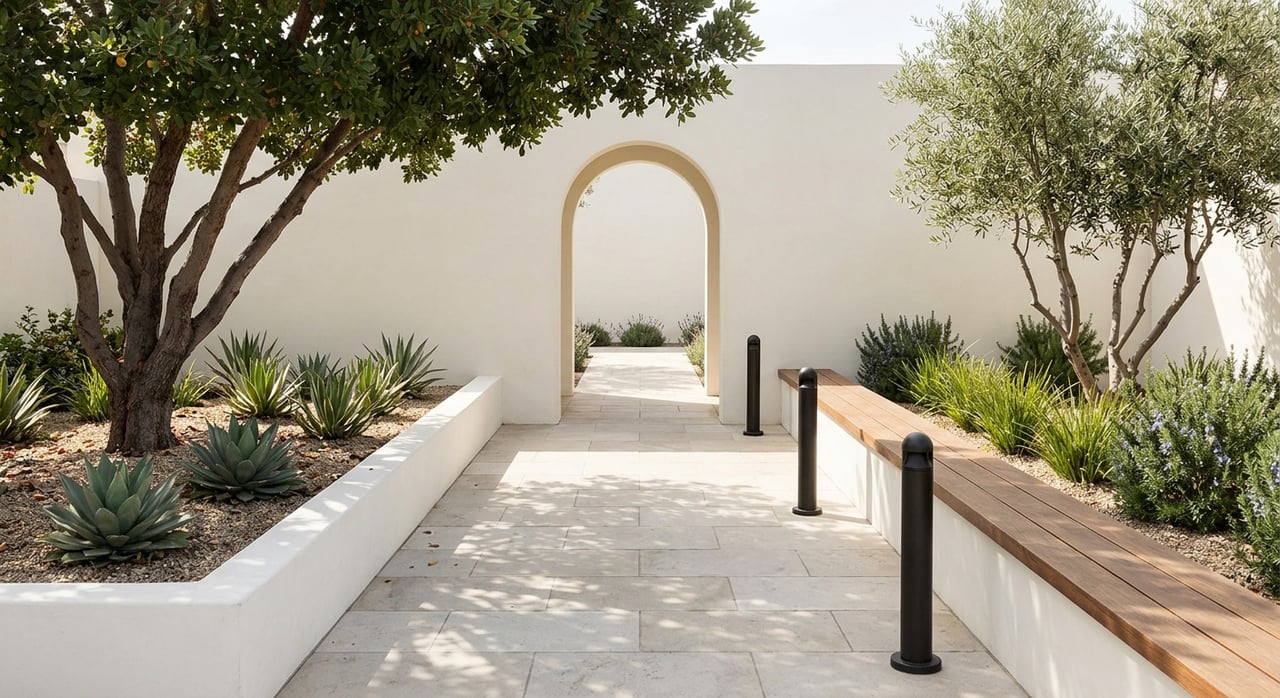
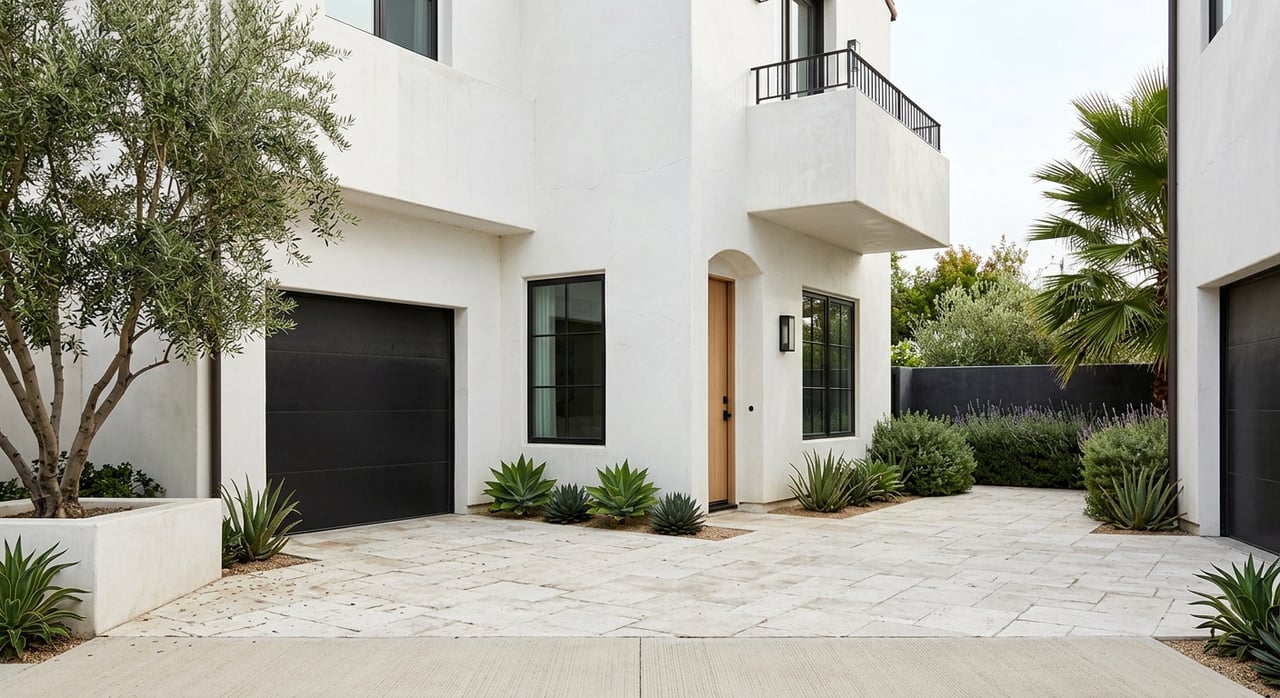
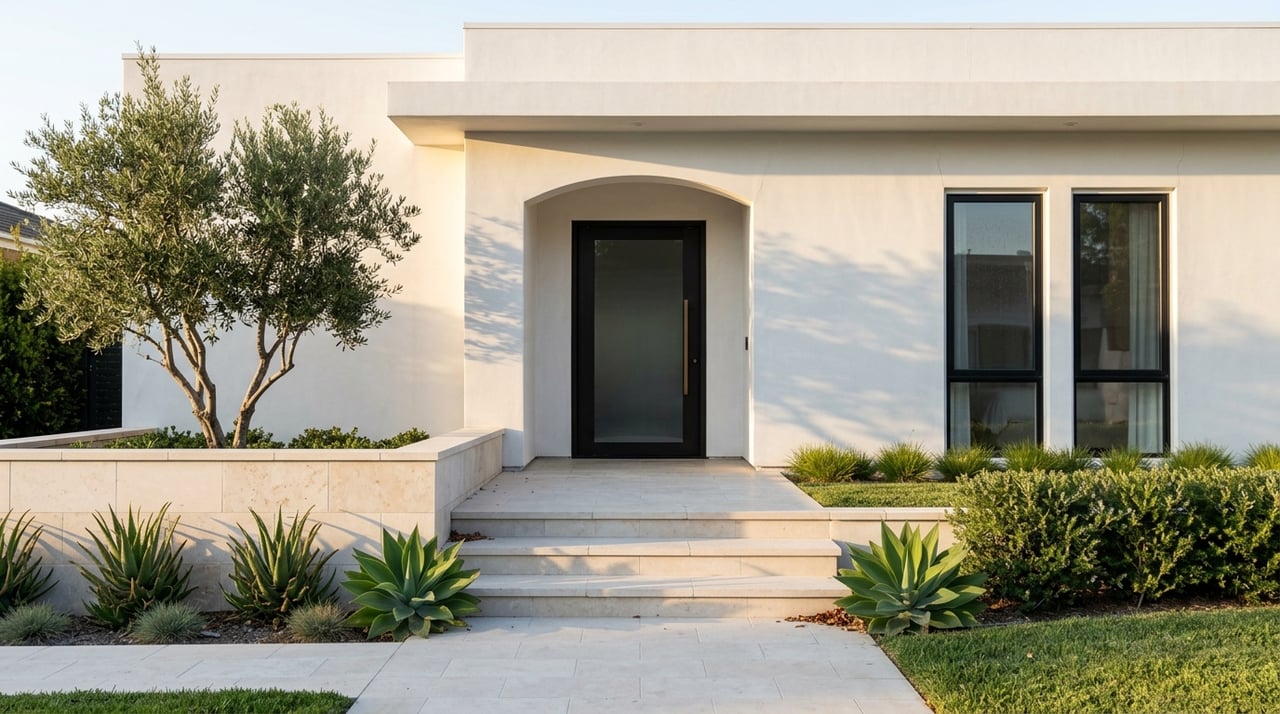
The coastal core is also where San Clemente’s "Spanish Village by the Sea" identity is felt most clearly. City design guidance and the Pier Bowl plan emphasize Spanish Colonial Revival and related architectural elements such as stucco walls, red tile roofs, arches, courtyards, and ironwork.
That does not mean every home looks historic, because current inventory includes both attached and detached homes, including condos and more contemporary residences. Still, the overall setting often feels closer to the city’s original character than newer inland communities.
Coastal Trade-Offs Are Real
Living near the beach comes with trade-offs that are worth weighing early. The city’s Pier Bowl planning documents note ongoing needs around beach parking, traffic flow, and access, which reflects the reality of a high-demand coastal area.
Rail activity is another factor in parts of the coastal zone. The city created its Safety Quiet Zone to reduce train-horn noise for residents, beachgoers, and trail users, but proximity to rail infrastructure can still shape your experience depending on the exact location.
Coastal properties may also involve a more layered regulatory setting. Pier Bowl is governed through the city’s Local Coastal Program and related sea-level-rise studies, so buyers should expect coastal-zone considerations to play a larger role than they typically do inland.
The Coast Often Feels Cooler
Homes closer to the water generally have a stronger ocean influence. Based on the city’s geography and marine-layer science from NOAA and USGS, the practical pattern is often cooler mornings, more fog or overcast, and a more noticeable marine layer near the coast.
That is not a house-by-house rule, but it is a useful lifestyle clue. If you love the feel of ocean air and do not mind more morning haze, the coast may fit you well.
Coastal Pricing Depends on Exact Position
The phrase “coastal San Clemente” can sound like one category, but pricing is highly segmented. Current market snapshots show Marblehead Coastal around a $4.9 million median sale price, while Pier Bowl sits closer to a $2.5 million median sale price.
That spread shows how much exact location, view corridors, and property type matter. A condo near the action and a view-oriented detached home in a premium coastal position can live in very different pricing tiers.
Hillside and Inland Living in San Clemente
Hillside Areas Offer More Space
If you are looking for a more planned, residential feel, the inland and elevated neighborhoods may be a better fit. This side of San Clemente includes Forster Ranch, Talega, Marblehead Inland, and Rancho San Clemente.
Rancho San Clemente is one of the clearest hillside examples, with elevations ranging from under 80 feet to more than 900 feet above sea level. The city notes a primary ridgeline and prominent knoll that are visible from many parts of the community, which helps explain why topography plays such a big role in the inland experience.
Planned Communities Shape Daily Life
These neighborhoods tend to feel more suburban and trail-oriented than beach-centered. San Clemente has five major trail networks across the beach, canyons, and ridgelines, and many inland neighborhoods were designed as larger planned communities rather than compact walk-to-the-sand districts.
The scale supports that point. Marblehead Inland is planned for 1,335 dwelling units over 762 acres, Talega covers 3,510 acres, and Forster Ranch covers 1,982 acres.
Inland Homes Feel More Master-Planned
Architecturally, inland neighborhoods still reflect San Clemente’s broader Spanish and Hispanic design language. At the same time, these areas typically feel more master-planned and less historic than the coastal core.
For many buyers, that translates into a more neighborhood-oriented setting with tract-home and planned-community patterns, plus some attached housing in the mix. If you prefer a more structured community layout over an older beach-town street grid, inland neighborhoods may feel easier to navigate.
Inland Trade-Offs Focus on Exposure and Access
The inland side has its own due-diligence priorities. San Clemente’s emergency planning information notes that the city sits in a wildland-urban interface, and that coastal canyons can become very dry and support rapid fire growth.
The city also warns that many structures on hillsides or at the tops of coastal canyons face slope-failure or landslide risk during heavy rains. For inland buyers, that makes fire-hardening, drainage, and evacuation planning important topics to review during the home search.
Car Dependence Is Usually Higher Inland
Inland living often trades walkability for easier parking and a more freeway-oriented routine. Rancho San Clemente is about one-half mile inland of I-5, and the West Pico Corridor receives primary access from the Avenida Pico and I-5 interchange.
In practical terms, that often means you are more likely to drive to the beach, downtown, and transit nodes rather than walk to them. If your routine depends on quick car access rather than beachside foot traffic, that may be a plus rather than a drawback.
Inland Microclimates Often Feel Sunnier
The inland climate is still mild, but usually less influenced by the marine layer than the coast. Based on the city’s climate description and the science behind coastal fog, the general pattern is often more sun exposure and less morning haze as you move farther inland and higher into the hills.
If you prefer brighter mornings and less overcast, hillside living may feel more consistent with your day-to-day preferences. That can be especially appealing if outdoor space is high on your list.
Inland Pricing Stays in Luxury Territory
While inland neighborhoods generally sit below the highest coastal view tier, they are still firmly in luxury pricing. Current market snapshots place Forster Ranch around a $1.86 million median sale price, Talega around $1.83 million, and Marblehead Inland around $1.7 million.
Those neighborhoods also remain competitive. Redfin snapshots describe Forster Ranch and Talega as very competitive, with average days on market of roughly 25 and 36 days respectively.
Coastal Versus Hillside: A Simple Comparison
At a high level, coastal neighborhoods tend to buy proximity and experience. Hillside and inland neighborhoods more often buy space, planning, and a bit more separation from the beach corridor.
Here is a simple way to compare the two:
| Lifestyle Factor | Coastal San Clemente | Hillside/Inland San Clemente |
|---|---|---|
| Daily feel | Beach-oriented, active, central | Planned, residential, more separated |
| Access | Stronger walkability, trail, trolley, rail access | More car-oriented, easier freeway routine |
| Setting | Historic core and coastal zone areas | Larger planned communities and ridgeline areas |
| Climate feel | Cooler mornings, more marine influence | More sun, less morning haze in many areas |
| Common trade-offs | Parking, traffic flow, rail noise, coastal regulations | Wildfire exposure, slope concerns, less beach walkability |
| Price pattern | Broad range, with premium coastal tiers | Still luxury-priced, often below top coastal view tiers |
How to Decide What Fits You Best
Choose the Coast If You Value Access
The coastal side may be the better fit if you want to be close to the sand, pier, Beach Trail, downtown activity, and transit. It can also make sense if you are drawn to San Clemente’s historic architectural identity and want a more classic beach-town rhythm.
This option often works best for buyers who prioritize experience over extra separation. You may accept more activity around you in exchange for being closer to what makes coastal San Clemente distinctive.
Choose the Hills If You Value Space
The hillside or inland side may be a stronger match if you want a more planned setting, more room, a quieter residential feel, and a routine centered more on driving than walking. These neighborhoods can also appeal to buyers who like the idea of trail access and a little more remove from the beach corridor.
This option often works well if your definition of lifestyle leans toward structure, privacy, and ease of parking. You are still in San Clemente, but the day-to-day experience can feel very different.
Ask These Questions Before You Tour
Before you narrow your search, it helps to answer a few practical questions:
- How close do you want to be to the beach, pier, dining, and transit?
- Do you care more about walkability and atmosphere, or parking and separation?
- Would you prefer a historic coastal setting or a more master-planned neighborhood feel?
- Are you comfortable navigating coastal-zone considerations?
- Are you prepared to evaluate wildfire exposure, drainage, and slope conditions in hillside areas?
The clearer you are on these questions, the faster your search can become more focused and productive.
If you are weighing coastal versus hillside living in San Clemente, local guidance can help you compare not just neighborhoods, but the lifestyle and property details behind them. For a personalized strategy tailored to your goals, Karen Meece can help you navigate San Clemente with clarity and confidence.
FAQs
What is the difference between coastal and hillside living in San Clemente?
- Coastal living usually offers closer beach access, more walkability, and stronger transit connections, while hillside and inland living often offer more space, a master-planned feel, and a more car-oriented routine.
Which San Clemente neighborhoods are considered coastal?
- Pier Bowl and Marblehead Coastal are key coastal areas, with Pier Bowl located next to the municipal pier and within the coastal zone.
Which San Clemente neighborhoods are considered hillside or inland?
- Forster Ranch, Talega, Marblehead Inland, and Rancho San Clemente are major inland or elevated areas, with Rancho San Clemente standing out as a clear hillside example.
Is coastal San Clemente more walkable than inland San Clemente?
- In general, yes. Coastal areas have better access to the Beach Trail, trolley stops, the pier, Avenida Del Mar, North Beach, and the Metrolink station.
What risks should buyers review in San Clemente hillside neighborhoods?
- Buyers in hillside areas should pay close attention to wildfire exposure, drainage, evacuation planning, and potential slope-failure or landslide concerns during heavy rains.
Is coastal San Clemente always more expensive than inland neighborhoods?
- Not always, but premium coastal segments can be significantly more expensive. Current snapshots show Marblehead Coastal near $4.9 million, while several inland neighborhoods are closer to the $1.7 million to $1.86 million range.
How does the weather differ between coastal and inland San Clemente?
- Coastal areas often feel cooler and may have more morning fog or marine-layer influence, while inland and hillside areas usually see more sun exposure and less morning haze.