Wondering what day-to-day life actually feels like in Rancho Mission Viejo’s villages? If you are picturing quiet streets, morning trail walks, and a social calendar on your terms, you are on the right track. At the same time, you will want a clear view of HOA rules, school logistics, and how ongoing development shapes your routine. This guide walks you through how the villages are laid out, where you spend your time, and what to check before you buy so you can choose the right fit with confidence. Let’s dive in.
Village layout and housing mix
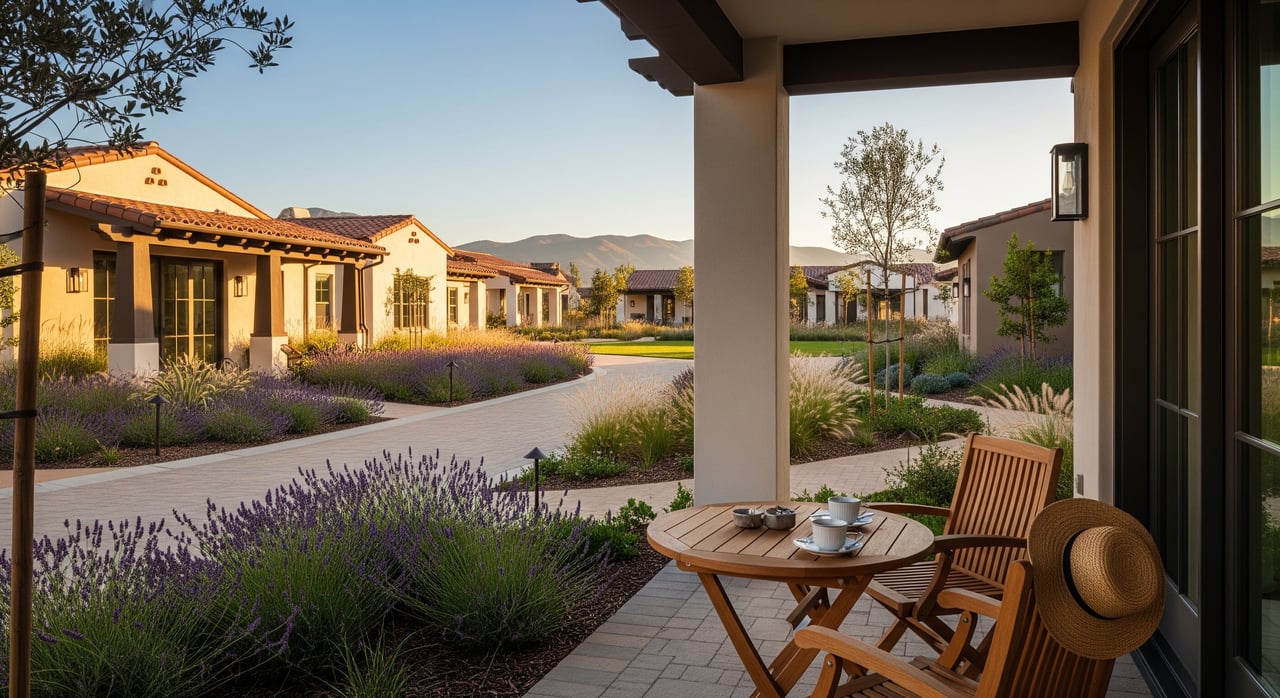
Rancho Mission Viejo is a master-planned community built in distinct villages. Each village clusters homes around shared amenities like a park, pool, and recreation center. Sidewalks, short blocks, and pedestrian paths are intentional, which makes it easy to walk from your front door to everyday spots.
You will find a range of home types across villages. Options typically include detached single-family homes on various lot sizes, smaller-lot or zero-lot-line homes, townhomes, and sometimes condominium flats. Different builders emphasize different price points and designs, so streetscapes and HOA policies can vary from one area to the next.
What this means for daily routines
- Quick walks to parks, pools, and community centers instead of long drives.
- Short routes to designated school bus stops or drop-off areas.
- Awareness that newer phases can bring nearby construction, temporary traffic, and daytime noise.
Pools, parks, and shared spaces
Pools and recreation centers
Most villages include community pools and a recreation building that act as social hubs. You might swim laps in the morning, sign up for a class, or spend weekend afternoons at a family pool or splash area. Access, hours, and guest policies are managed by each village association, so rules can differ.
Trails and pocket parks
Miles of local trails link neighborhoods to preserved open space, with daily use for walking, running, cycling, and dog-walking. You will also see pocket parks, dog areas, picnic spaces, and playgrounds woven throughout the villages. Some trail segments are designed for equestrian use in specific areas, with stewardship and access coordinated by the developer and public agencies.
Farms, gardens, and learning
Community gardens, farm plots, and educational programming connect residents to the land and local conservation efforts. On a typical weekend, you might find a farm-stand style event or a volunteer day focused on native habitat. These activities are often family-oriented and provide a different kind of amenity you will not find in many urban settings.
Social calendar and clubs
Events and seasonal gatherings
Village associations sponsor a steady mix of activities throughout the year. Expect holiday events, outdoor movies, markets or pop-ups, and rotating fitness or craft classes. The pace varies by village and by season, but the calendar is usually more active than in unplanned suburbs.
Clubs and community ties
From running and book clubs to gardening and conservation groups, you can plug into as much or as little as you like. Volunteer cleanup days and educational events are common ways to meet neighbors and settle into a rhythm that fits your lifestyle.
Schools and childcare rhythms
Public school assignments for Rancho Mission Viejo addresses are primarily within Capistrano Unified School District, though assignments depend on your exact address and can change over time. Many households choose a village based on proximity to assigned schools. Onsite or nearby preschools and enrichment options are common, which helps with before and after-school planning.
If schools are a key factor, confirm attendance boundaries directly with the district for the specific home you are considering.
Commute and transportation
Rancho Mission Viejo sits in South Orange County with road access to regional employment centers. Commute times to Irvine, Anaheim, and Santa Ana vary by route and time of day. Public transit options are more limited than in denser urban cores, so most residents rely on personal vehicles, carpools, and school bus services.
Parking standards reflect newer community design. Many homes include two to three car garages. Guest parking may be in designated areas or signed street zones. If you plan to install an EV charger, check HOA guidelines for visibility and any restrictions on street charging.
HOA rules and everyday realities
Each village is governed by a homeowners or village association that manages maintenance, amenities, and rules. Expect regular assessments that fund landscaping, pools, staff, and long-term repairs. Rules typically cover exterior changes, landscaping, signage, pet policies, and parking.
Shared amenities have their own procedures. Pool reservations, guest passes, class registrations, and lifeguard schedules are set by the association or recreation operator. Access is generally limited to residents in good standing.
Construction can be part of life while the master plan builds out. Adjacent phases may bring temporary traffic or noise. Future retail nodes or roads can change circulation patterns, so it helps to understand what is planned nearby.
What to review before you buy
- CC&Rs and design guidelines for your product type and village.
- HOA budget, reserve study, and recent meeting minutes for upcoming projects.
- Parking and guest policies, including any RV or boat restrictions.
- Amenity rules: pool hours, guest passes, class reservations.
- Construction timelines and maps for future phases near the home.
A day in the life
Morning: You might start with a trail loop past a pocket park, then grab coffee at a nearby retail node or home kitchen before school drop-off or bus stop. Fitness classes at the recreation center often run early, which can anchor your routine.
Midday: Trails are popular for quick walks with pets or stroller meetups. If you work from home, the short, scenic breaks help you reset between meetings. During the week, you may see maintenance crews keeping common areas clean and landscaped.
Afternoon and evening: After school, playgrounds and pools see more activity. Pick a club meeting, sign up for a fitness class, or relax at a movie night in the park. On weekends, rotate between a pool day, a volunteer cleanup, or a farm-related event. The overall feel is suburban, outdoors-oriented, and connected to the local landscape.
Daily conveniences
Some villages include small retail or service spots that make quick errands easy. For a wider selection of groceries, dining, and services, you typically drive 5 to 20 minutes to larger South OC centers. Newer areas may rely on nearby established shopping until their own retail nodes open.
If medical or specialist care is a priority, map out providers you use and plan your weekly routes before deciding on a specific address.
Who thrives here
Residents who value trail access, parks, pools, and organized programming tend to appreciate the village model. If you enjoy meeting neighbors at community events, want quick access to outdoor space, and prefer predictable common-area standards, the setup fits well. If you want more flexibility on exterior changes or frequent overnight street parking, you will want to review CC&Rs closely to ensure alignment with your lifestyle.
Smart next steps
- Visit at different times: weekday morning, weekday evening, and weekend.
- Ask for a current village map and amenity list; note what is built versus planned.
- Confirm school assignments directly with the district for the exact address.
- Drive your likely commute routes during peak hours.
- Review CC&Rs, budgets, meeting minutes, and reserve studies during due diligence.
- Ask about reservation systems and waitlists for pools, classes, and events.
If you want a clear, stress-reducing path to the right home, work with an advisor who understands both resale and new-home processes. With three decades of South OC experience and deep knowledge of builder timelines, HOAs, and neighborhood nuances, Karen Meece can help you compare villages, structure a smart offer, and plan upgrades that align with community guidelines.
FAQs
Pools access in Rancho Mission Viejo villages
- Community pools are shared amenities managed by each village association; access rules, hours, and guest policies vary by village.
HOA fees and rules in Rancho Mission Viejo
- Fees fund maintenance and amenities, and rules cover items like exterior changes, landscaping, parking, pets, and amenity use; review CC&Rs and budgets before you buy.
School assignments for Rancho Mission Viejo addresses
- Public schools are primarily within Capistrano Unified School District, but assignments depend on the exact address and can change; verify directly with the district.
Construction impacts in newer phases
- Ongoing building in adjacent phases can bring temporary traffic, staging, and noise; check future phase maps and timelines during due diligence.
Commuting to Irvine, Anaheim, or Santa Ana
- Travel times vary by route and time of day; most residents rely on personal vehicles, with carpools and school buses common among families.