If your ideal day starts with coffee in hand and sand under your feet within minutes, San Clemente delivers. You want the beach close enough to make sunsets a habit and errands an easy stroll. In this guide, you’ll learn where that lifestyle is most realistic, what tradeoffs to expect, and how to evaluate a beach-area property with confidence. Let’s dive in.
What “close to the sand” means in San Clemente
In San Clemente, “close to the sand” usually means a short walk to the Pier Bowl, Avenida Del Mar, T-Street, or the San Clemente Beach Trail. Homes by the Pier and Downtown score high for walkability, with several addresses recording Walk Scores in the 80s and 90s, while most inland areas are more car dependent. You’ll find daily errands, dining, and the beach within a 5 to 15 minute walk in this central coastal band. The Beach Trail links many access points, so your morning run can end where your favorite coffee begins.
Best areas for a sand-first lifestyle
Pier Bowl and Downtown
This is San Clemente’s walkable heart. The Pier, Avenida Del Mar, and the Esplanade form a compact village with cafes, boutiques, and oceanfront dining. From many blocks here, you can step out for a 5 to 10 minute walk to the sand, catch the sunset on the pier, then wander back up Del Mar for dinner.
A typical evening loop might look like this: stroll down Avenida Del Mar, pause at Casa Romantica’s overlook, then drop to the water for a pier walk. If you want a classic oceanfront experience, plan a casual meal at the long-standing Fisherman’s on the pier, highlighted by AAA’s travel guide as a local staple. The convenience is what makes this area feel like a true beach town center.
Southwest San Clemente: T-Street to Linda Lane
Southwest neighborhoods near T-Street, Linda Lane, and Avenida Calafia have a relaxed, beachy feel with sidewalks that make the walk to sand simple. T-Street is a popular local surf spot, with a pedestrian bridge over the rail that speeds up beach access. Linda Lane Beach is a smaller, low-key option with facilities, and the path from Calafia leads to San Clemente State Beach and the Beach Trail. If you prize surfing, seaside air, and quick access over large lots, this pocket is a strong match.
Northern bluff and hillside: Sea Summit, Sea Pointe, Marblehead
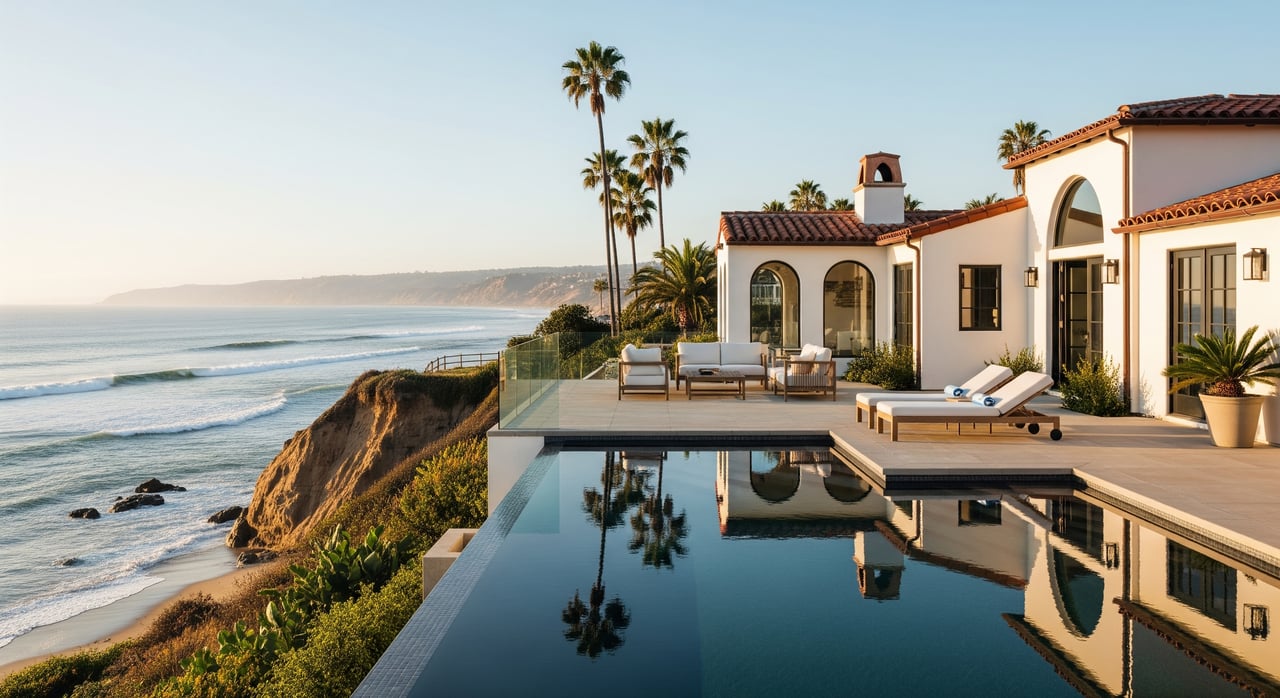
North of the Pier, coastal hills and bluff-top neighborhoods offer big ocean views and newer or larger homes. These areas are still coastal, yet most addresses sit farther from direct sand access. You trade a five minute walk for sweeping views and a bit more privacy. For many buyers, that balance of space, design, and view is the win, with beach mornings still an easy drive or longer walk.
Southeast contrast: Talega and Forster Ranch
Southeast San Clemente’s planned communities provide parks, trails, and a more suburban rhythm. These neighborhoods are not walkable to the Pier or state beach. You gain larger homes and community amenities, then drive 10 to 20 minutes for your surf check. If you want coastal influence without the immediate beach bustle, this contrast can be appealing.
Beach access points you will use
- San Clemente Pier: Central gathering point with fishing, ocean views, and casual dining. It anchors the city’s classic beach identity.
- T-Street: Local surf favorite with quick bridge access over the rail, a great spot for a quick session or sandy afternoon.
- Linda Lane: Smaller, family-friendly beach with restrooms and a play area.
- San Clemente State Beach: Broad sands, bluff-top trails off Avenida Calafia, and a campground managed by California State Parks.
These access points, highlighted among Orange County’s notable beaches by the Los Angeles Times, connect easily along the San Clemente Beach Trail for morning jogs, dog walks, and sunset strolls.
Transit, parking, and getting around
The San Clemente Pier station serves Amtrak’s Pacific Surfliner and limited Metrolink service, making weekend rail trips up and down the coast surprisingly simple. If you like the idea of car-light living, the Pier Bowl offers a semi transit-oriented feel. Pier-area parking is metered, the city has tested a parking app, and summertime often brings a trolley that helps connect beachgoers and visitors. Always check schedules if you plan to commute by rail during the week, since Metrolink service is limited outside weekends.
Market snapshot and the cost of being close
Coastal proximity carries a premium. Zillow’s typical home value for San Clemente was about 1.66 million dollars, with data through January 31, 2026. Properties within a few blocks of the Pier or on oceanfront bluffs tend to sell above citywide averages, and price per square foot can vary block by block. If you are actively exploring a purchase, compare exact walking times, views, and lot position when reviewing comps. A five minute difference to sand or a direct access path can materially change value.
Seasonality and surf culture
Surfing is part of San Clemente’s identity, from the Pier to T-Street and beyond. Lower Trestles, just south at San Onofre State Beach, is a world-class break and the selected venue for surfing at the LA28 Olympics. This brings regional visibility and, at times, event-driven crowds. Day to day, most residents stick to local spots like the Pier and T-Street for quick sessions, while Trestles is more of a planned day outing given the walk-in nature of the park.
Risks, upkeep, and insurance to plan for
Living by the ocean is rewarding, yet it comes with practical considerations. Use the checklist below to budget time and dollars wisely.
- Coastal erosion and sea-level rise: San Clemente is evaluating and permitting beach-nourishment and nature-based strategies to retain sand. For a big-picture view, explore the NOAA Sea Level Rise Viewer to see how low-lying areas may be affected over time. Shoreline change is site specific, so evaluate each property on its own merits.
- Local sand projects and permitting: The city’s Sand Compatibility and Opportunistic Use Program has active permitting with the U.S. Army Corps of Engineers. You can also follow the city’s reef feasibility study updates to understand potential nature-based solutions in segments of the coastline. These are mitigation efforts, not guarantees, but worth tracking if beach width is important to you.
- Flood and insurance: Standard homeowners policies typically exclude flood damage. Check the property’s FEMA flood zone and obtain quotes for NFIP or private flood coverage where required. Budget those premiums in your monthly numbers.
- Maintenance: Salt air can accelerate wear on exterior paint, metals, decks, windows, and HVAC. Ask sellers for recent exterior maintenance records and plan for more frequent upkeep compared to inland homes.
- Parking and rules: Expect higher demand for Pier Bowl parking during peak seasons and confirm HOA policies for condos, especially around guest parking and any short-term rental restrictions.
Your quick walkable-beach checklist
Use this practical list while viewing homes to confirm lifestyle fit and long-term peace of mind.
- Walk test: Time a 5 to 15 minute walk from the listing to the Pier, T-Street, and a favorite coffee spot on Avenida Del Mar. Note route safety, grades, and street crossings.
- Flood and elevation check: Look up the address in FEMA’s Map Service Center and view it alongside NOAA’s Sea Level Rise Viewer. Ask for any elevation certificate if available.
- Track local projects: Ask the city about SCOUP status and the reef feasibility study timeline for that stretch of beach.
- Insurance quotes: Request both NFIP and private flood quotes early, then factor premiums into your monthly budget and qualification.
- Seasonality test: Visit on a summer weekend and a weekday morning. Compare parking, noise, and foot traffic before you commit.
Is living close to the sand right for you?
If daily beach walks, easy dining, and a compact, car-light lifestyle speak to you, focus your search on the Pier Bowl and Southwest pockets near T-Street and Linda Lane. If you want space and ocean views with a little more privacy, consider the northern bluff and hillside neighborhoods. And if you prefer larger homes and master-planned amenities at a different price profile, explore southeast communities and plan for a short drive to the beach.
When you are ready for a targeted search, connect with a local advisor who knows how proximity, access points, views, and micro-location change both lifestyle and value. For personalized guidance and a calm, concierge experience, schedule a conversation with Karen Meece. You can reach out to Karen directly at Karen Meece.
FAQs
How close to the beach are homes near the San Clemente Pier?
- Many Pier Bowl and Downtown addresses are a 5 to 10 minute walk to the sand, with Avenida Del Mar and the Esplanade offering the highest day-to-day walkability.
Do I need flood insurance for a San Clemente beach-area home?
- It depends on the property’s FEMA flood zone and your lender’s requirements. Standard homeowners insurance usually excludes flood, so obtain NFIP or private quotes early.
How crowded does the Pier Bowl get in summer and during events?
- Expect more foot traffic on summer weekends and during major surf events, with the Pier Bowl seeing the largest seasonal pickup compared to inland areas.
What public transit serves the beach area near the Pier?
- The San Clemente Pier station serves Amtrak’s Pacific Surfliner and has limited Metrolink service, which is handy for weekend trips. Always confirm schedules before relying on weekday commuting.
What is the typical home value in San Clemente today?
- As of data through January 31, 2026, Zillow’s typical home value for San Clemente was about 1.66 million dollars, with beach-proximate homes often commanding a premium over the citywide average.
How does oceanfront living affect maintenance and budgets?
- Salt air and coastal weather can accelerate exterior wear on paint, metals, windows, decks, and HVAC. Ask for maintenance records and budget for more frequent upkeep than inland homes.