Is your San Clemente ocean view worth 5 percent more or 30 percent more? If you are buying or selling along our coast, the answer can swing your strategy and your final price. You want clarity on what truly drives value so you can act with confidence and avoid costly missteps. In this guide, you will learn how view quality, orientation, micro-neighborhood comps, condition, and coastal rules shape pricing, plus step-by-step plans tailored to buyers and sellers. Let’s dive in.
What drives ocean-view value
Pricing ocean-view homes starts with a clear view classification. Not all views are equal, and small differences can create big price gaps.
View type and quality
- Categorize the view: A) unobstructed/panoramic, B) partial or angled, C) limited or intermittent.
- Panoramic ocean or coastline views typically command the strongest premiums.
- Partial views framed by rooftops, vegetation, or structures sell for proportionally less.
- Document the view from key rooms and outdoor spaces to support pricing.
View corridor and persistence
- Your view corridor is the visible swath of ocean. Wider and higher corridors are more valuable.
- Check for risks that could narrow or block it, such as buildable lots, pending permits, or tree growth.
- Review local permit history and parcel data so you can speak to the view’s likely durability.
Orientation and elevation
- West and southwest orientation often carry a premium for sunsets and late-day light.
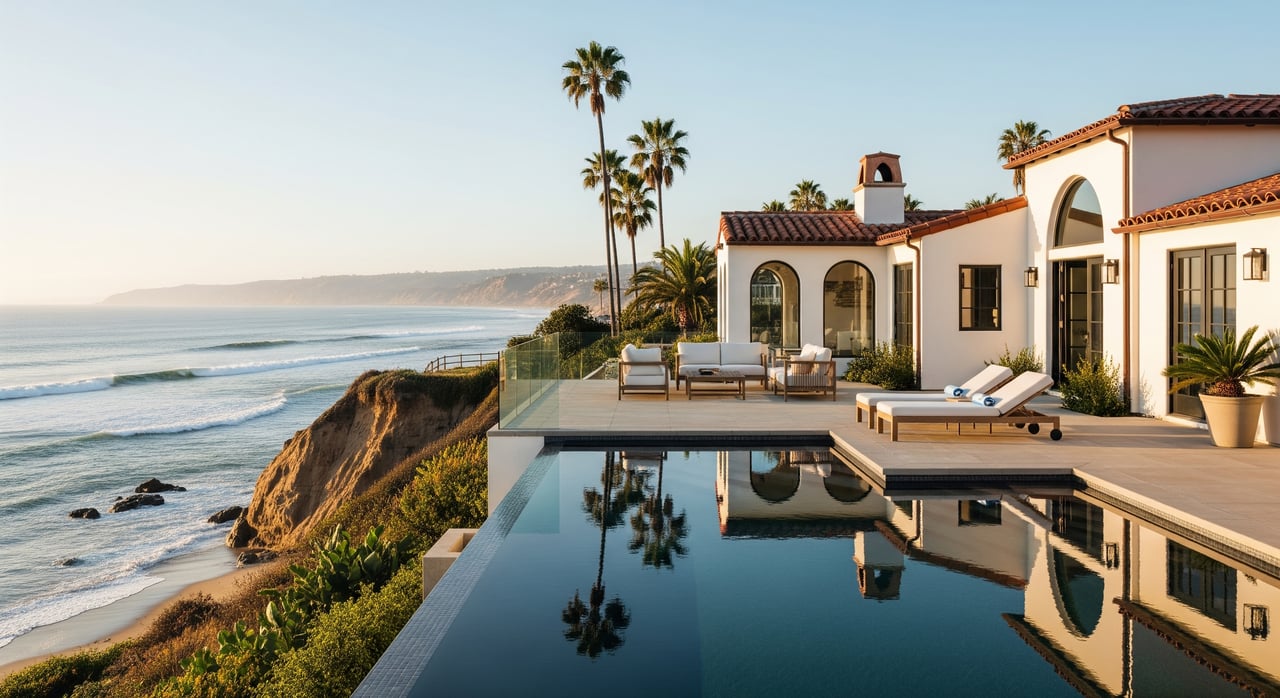
- Elevation matters. Bluff-top or higher elevations expand visibility and reduce street-level obstructions.
- Balance benefits with coastal factors like bluff stability, insurance, and long-term maintenance.
Obstructions and seasonal factors
- Trees, hedges, fences, and nearby two-story homes can reduce value. Verify sightlines on-site and across the street.
- The morning marine layer and seasonal haze can change how the view feels. Afternoon showings sometimes tell a different story than mornings.
Use the right comparables
Ocean-view comps in San Clemente require a tighter, more local approach than inland properties. Treat micro-neighborhood and elevation like must-match criteria.
Micro-neighborhoods to match
- Prioritize the same street or immediate parallel streets in the same elevation band.
- Extend to within 0.25 to 0.5 mile only if view corridor and elevation are comparable.
- Common coastal contexts to consider: Pier/Del Mar/Downtown coastal strip, North Beach and Capistrano Beach, Avenida Del Mar and Ole Hanson areas, and select pockets where inland neighborhoods like Talega offer rare views.
Comparable selection checklist
Match on:
- View category and orientation.
- Elevation, lot size and slope, and outdoor living spaces.
- Size, bedroom and bathroom count, parking, and finish level.
- Photo-document the view from the living room, the primary bedroom, and primary outdoor areas for each comp.
Work the adjustments in order:
- Adjust for non-view factors first, such as size, beds/baths, lot, and condition.
- Isolate the view premium last through paired-sales logic when possible.
Condition and upgrades
- Condition can equal or exceed the view in impact. An updated, well-maintained partial-view home can outperform a dated full-view home.
- High-value upgrades for ocean-view living include larger windows and sliders, decks or balconies with low-profile railings, open-plan living that frames the view, and salt-air-resistant exterior materials.
- Use price-per-square-foot baselines for condition tiers within the same view category, then apply paired-sales or dollar adjustments for major upgrades.
Estimate the view premium
Industry analyses often find water-view premiums in the 5 to 30 percent range of adjusted value. In San Clemente, the exact figure depends on view quality, scarcity on the street, condition, and market momentum. When nearby homes share similar views, the premium can compress. Rare, unobstructed panoramas can push toward the higher end.
Your best move is to measure the premium locally through paired sales. If a true pair is not available, price within a range and show both low and high scenarios based on credible comps.
Pricing plan for sellers
Use a disciplined, visual, and data-backed process to justify your price and attract the right buyers.
Inventory the view
- Capture standardized photos and video at different times of day.
- Map your view corridor and note any parcels or trees that could affect it.
Select tight comps
- Start with same-street or parallel-street sales in the same elevation band.
- Expand thoughtfully, using location and time adjustments if necessary.
Quantify the premium
- Use paired-sales if possible; otherwise present a premium range with supporting comps.
- Separate condition and amenity adjustments from the view component.
Set strategy and price
- An aggressive premium targets top buyers but may extend days on market.
- Slight underpricing in a lean-inventory moment can spark multiple offers. Use cautiously and only with a strong marketing plan.
Market the view
- Feature sunset shots, drone footage where allowed, and clear sightline photos.
- Emphasize livability: decks, privacy, and the daily rhythm of light.
Disclose and de-risk
- Share known permits, geotechnical or bluff details if applicable, and maintenance history.
- Transparency on view persistence reduces renegotiation risk later.
Evaluation plan for buyers
Protect your investment by confirming the view you are paying for will last and fits your lifestyle.
Validate view permanence
- Review nearby parcel maps and permits that could affect your sightline.
- Understand local development controls and any patterns of redevelopment.
Compare the right comps
- Focus on same-elevation, same-category views.
- Ask for comps that isolate the view premium against similar homes without the view.
Budget for coastal ownership
- Get quotes for homeowners and, if applicable, flood or specialty insurance.
- Evaluate potential salt-air maintenance or deck and window upgrades.
Use leverage when negotiating
- Point to comps with lower premiums, visible maintenance needs, or costs to improve sightlines.
- Consider contingencies for coastal-focused inspections and insurance availability.
Regulations, risks, and insurance
Coastal properties have unique rules and risk factors that influence value and financing.
- Coastal regulations: The California Coastal Act and the City of San Clemente’s Local Coastal Program guide what can be built near the shoreline. These frameworks can limit development that might otherwise affect views, but outcomes are nuanced and site-specific.
- Bluff and hazard considerations: Coastal bluff erosion, landslide potential, and sea-level rise matter for safety and lending. Some lenders may require geotechnical or similar reports in certain zones.
- Insurance: Expect higher premiums for coastal exposure, and confirm availability early. Pair insurance quotes with your pricing analysis so you understand carrying costs.
- Disclosures: Known encroachments, permits, prior reports, and any maintenance or upgrades that preserve the view should be documented.
Marketing the view that sells
Serious buyers expect the view to be showcased with intention. A polished presentation helps you realize the premium you have earned.
- Visuals: Capture images from the main living area, primary suite, and primary outdoor spaces at different times of day.
- Story: Highlight daily benefits such as sunsets, afternoon light, and private outdoor living areas.
- Materials: Use salt-air-tough finishes and emphasize recent upgrades that preserve or enhance the view experience.
Quick reference checklists
Seller CMA deliverables:
- High-resolution photos and, where appropriate, drone footage.
- View corridor map with nearby buildable parcels and permit history.
- Three to five tight comps with elevation and view class alignment.
- Condition and upgrade list with estimated costs and likely impact.
- Risk summary on view persistence and an overview of insurance considerations.
Buyer brief essentials:
- Same-day view photos, including from nearby public vantage points for context.
- Local parcel and permit snapshot for adjacent lots and potential building envelopes.
- Recent comps isolating the view effect and any trend in premiums.
- Insurance quotes and estimates for coastal maintenance or upgrades.
Your next step
If you are weighing the right price or premium for an ocean-view property in San Clemente, get advice that is grounded in micro-neighborhood comps, elevation bands, and long-term view persistence. A precise, visual, and data-backed plan will keep you confident from list or offer through closing. For a personalized pricing or purchase strategy, connect with Karen Meece.
FAQs
What is a typical ocean-view premium in San Clemente?
- Water-view premiums commonly fall in the 5 to 30 percent range of adjusted value, with exact pricing driven by view quality, scarcity on the street, and condition.
How do I confirm if my San Clemente ocean view is protected?
- Review nearby parcel maps and permits, understand local coastal program controls, and evaluate any buildable lots or tree growth that could affect your view corridor.
How should I compare panoramic and partial ocean-view comps?
- Match elevation and micro-neighborhood first, adjust for size and condition, and then isolate the view difference using paired-sales logic where possible.
What inspections matter most for bluff-top or elevated homes?
- Consider geotechnical or hazard-focused reviews as required by lenders, along with general, structural, and exterior inspections that assess coastal wear and deck safety.
How does the marine layer affect value and pricing?
- Frequent morning haze can reduce perceived view quality for some buyers, so orientation, time-of-day appeal, and consistent afternoon light can influence pricing.
Should I price high or use strategic underpricing for an ocean-view listing?
- Aggressive pricing can extend days on market, while slight underpricing in a low-inventory moment can attract multiple offers. Choose based on comps, momentum, and marketing strength.